
-
Table of Contents
- Introduction
- Wireless vs. Wired Car Audio: Which Is Better for Your Android Device?
- Pros and Cons of Wireless vs. Wired Connections in Android Car Audio Systems
- Enhancing Your Android Car Audio: A Comparison of Wireless and Wired Options
- Wireless vs. Wired Car Audio: Key Differences for Android Users
- Choosing Between Wireless and Wired Connections for Android Car Audio: What You Need to Know
- Q&A
“Wireless vs. Wired Android Car Audio: Convenience Meets Quality – Choose Your Drive’s Soundtrack!”
Introduction
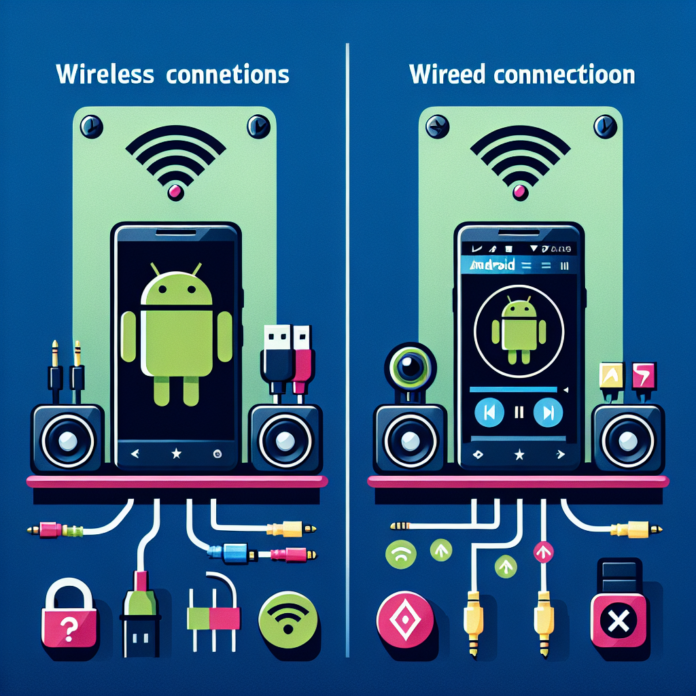
In the realm of Android car audio systems, the debate between wireless and wired connections is a significant consideration for audiophiles and everyday users alike. Each connection type offers distinct advantages and potential drawbacks that can impact the overall audio experience, convenience, and functionality of the system. Wireless connections, often facilitated through Bluetooth or Wi-Fi, provide the benefit of cable-free operation, enhancing ease of use and reducing clutter within the vehicle. However, they may sometimes suffer from latency issues and potential signal interference, which can affect audio quality. On the other hand, wired connections, typically using USB or auxiliary cables, are renowned for their stable and high-fidelity audio transmission, ensuring a consistent and superior sound experience. Nevertheless, they can be less convenient due to the physical connection required, which may limit device mobility and contribute to a more cluttered environment. Understanding the pros and cons of each connection type is crucial for making an informed decision that aligns with individual preferences and requirements for an optimal in-car audio experience.
Wireless vs. Wired Car Audio: Which Is Better for Your Android Device?
When it comes to enhancing your driving experience with high-quality audio, the choice between wireless and wired connections for your Android device is a significant consideration. Each option offers distinct advantages and disadvantages, making it essential to understand their respective merits to make an informed decision.
To begin with, wireless connections, such as Bluetooth and Wi-Fi, have become increasingly popular due to their convenience and ease of use. One of the primary benefits of wireless connectivity is the elimination of physical cables, which can often be cumbersome and unsightly. This not only contributes to a cleaner and more organized car interior but also allows for greater flexibility in device placement. Additionally, wireless connections enable seamless integration with modern car infotainment systems, providing a user-friendly interface for accessing music, navigation, and other applications directly from the car’s dashboard.
Moreover, wireless technology has advanced significantly in recent years, resulting in improved audio quality and reduced latency. Bluetooth, for instance, has evolved with the introduction of codecs such as aptX and LDAC, which offer near-CD quality sound. Wi-Fi connections, on the other hand, can provide even higher fidelity audio, making them an attractive option for audiophiles. Furthermore, wireless connections facilitate hands-free calling and voice commands, enhancing safety by allowing drivers to keep their hands on the wheel and eyes on the road.
However, wireless connections are not without their drawbacks. One notable disadvantage is the potential for signal interference and dropouts, which can disrupt the listening experience. This is particularly true in areas with high levels of electromagnetic interference or when multiple devices are competing for the same bandwidth. Additionally, wireless connections can drain the battery of your Android device more quickly than wired connections, necessitating more frequent charging.
In contrast, wired connections, such as auxiliary (AUX) cables and USB connections, offer a more stable and reliable audio experience. The direct physical connection ensures consistent signal transmission, resulting in uninterrupted playback and superior sound quality. This is especially important for those who prioritize audio fidelity and wish to avoid the potential pitfalls of wireless interference. Furthermore, wired connections typically consume less power, preserving the battery life of your Android device.
Another advantage of wired connections is their simplicity and compatibility with a wide range of devices and car audio systems. Unlike wireless connections, which may require specific hardware or software updates, wired connections can often be established with minimal setup. This makes them an ideal choice for older vehicles or those without advanced infotainment systems.
Nevertheless, wired connections also have their limitations. The presence of physical cables can create clutter and restrict movement within the vehicle. Additionally, the wear and tear on cables over time can lead to connectivity issues, necessitating periodic replacements. For some users, the inconvenience of managing cables may outweigh the benefits of a stable connection.
In conclusion, the choice between wireless and wired connections for Android car audio ultimately depends on individual preferences and priorities. Wireless connections offer unparalleled convenience and modern features, making them suitable for those who value ease of use and integration with advanced infotainment systems. Conversely, wired connections provide a more reliable and high-fidelity audio experience, appealing to audiophiles and those who prioritize stability. By carefully considering the pros and cons of each option, drivers can select the best solution to enhance their in-car audio experience.
Pros and Cons of Wireless vs. Wired Connections in Android Car Audio Systems
When considering the integration of Android car audio systems, the choice between wireless and wired connections is a pivotal decision that can significantly impact the overall user experience. Each option presents its own set of advantages and disadvantages, which merit careful consideration to determine the most suitable choice for individual needs and preferences.
To begin with, wireless connections offer a level of convenience that is hard to match. The absence of physical cables means that users can connect their Android devices to the car audio system effortlessly, often through Bluetooth or Wi-Fi. This seamless connectivity allows for greater flexibility, as users can keep their devices in their pockets or bags without the need to plug them in. Additionally, wireless connections facilitate a cleaner and more organized car interior, free from the clutter of tangled wires. This can be particularly beneficial for drivers who prioritize a minimalist aesthetic or who frequently switch between different devices.
However, the convenience of wireless connections is not without its drawbacks. One significant concern is the potential for signal interference, which can lead to inconsistent audio quality. Factors such as physical obstructions, other electronic devices, and even weather conditions can disrupt the wireless signal, resulting in audio dropouts or degraded sound quality. Moreover, wireless connections typically consume more battery power from the connected Android device, necessitating more frequent charging and potentially limiting the duration of uninterrupted audio playback.
In contrast, wired connections offer a more stable and reliable audio experience. By directly connecting the Android device to the car audio system via a USB or auxiliary cable, users can enjoy consistent, high-quality sound without the risk of signal interference. This direct connection also ensures that the audio data is transmitted without compression, preserving the integrity of the original sound. Furthermore, wired connections often provide the added benefit of charging the Android device while it is in use, thereby extending the device’s battery life and allowing for longer periods of continuous playback.
Despite these advantages, wired connections are not without their own set of limitations. The most obvious drawback is the physical constraint imposed by the cable, which can restrict the user’s ability to move freely within the vehicle. This can be particularly inconvenient for passengers who wish to control the audio from the back seat or for drivers who prefer to keep their devices out of sight. Additionally, the presence of cables can contribute to a cluttered and disorganized car interior, which may be undesirable for those who value a tidy and streamlined environment.
In conclusion, the choice between wireless and wired connections for Android car audio systems involves a careful consideration of the respective pros and cons. Wireless connections offer unparalleled convenience and a cleaner aesthetic but may suffer from signal interference and increased battery consumption. On the other hand, wired connections provide superior audio quality and reliability, along with the added benefit of device charging, but at the cost of physical constraints and potential clutter. Ultimately, the decision will depend on individual priorities and preferences, with some users favoring the ease and flexibility of wireless connections, while others may prioritize the stability and sound quality afforded by wired options.
Enhancing Your Android Car Audio: A Comparison of Wireless and Wired Options
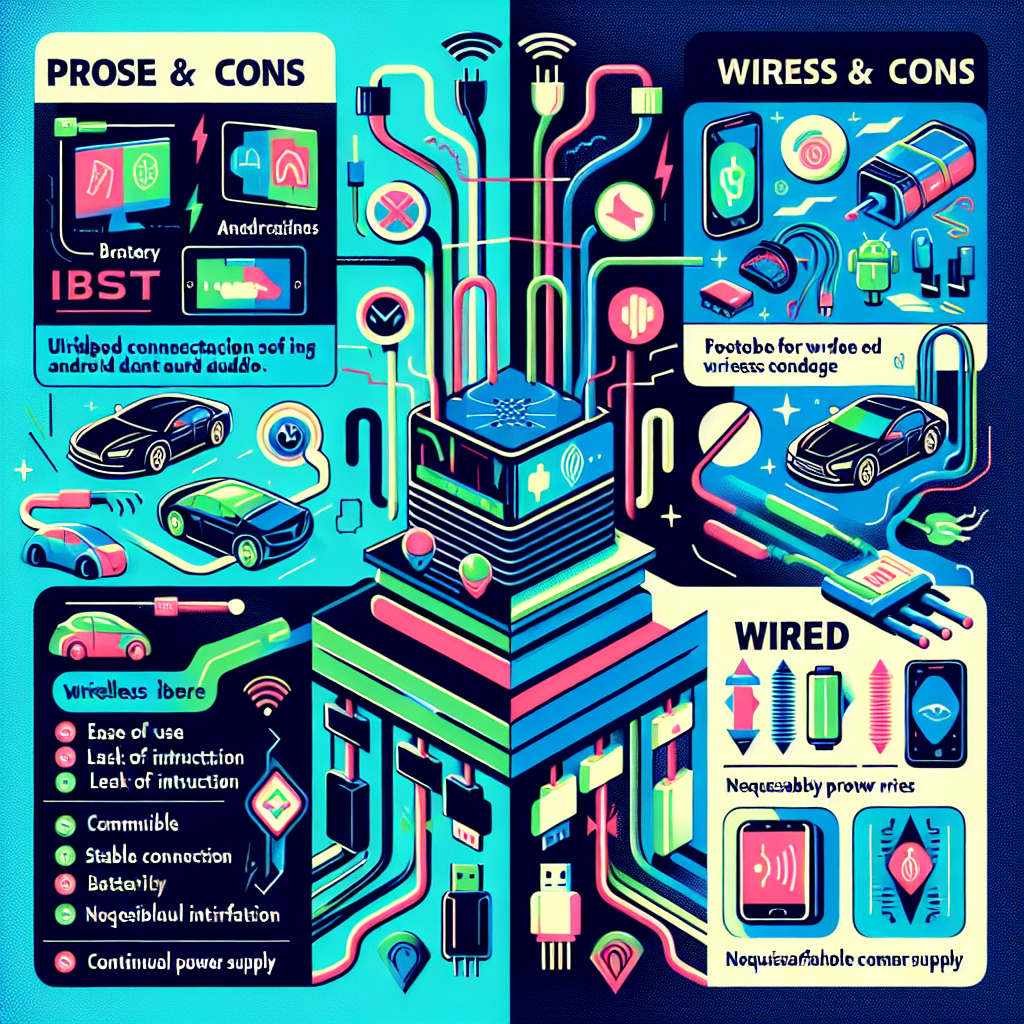
When it comes to enhancing your Android car audio system, the choice between wireless and wired connections is a pivotal decision that can significantly impact your overall driving experience. Both options come with their own sets of advantages and disadvantages, making it essential to weigh them carefully before making a choice. Understanding the nuances of each can help you make an informed decision that best suits your needs and preferences.
To begin with, wireless connections offer a level of convenience that is hard to match. The ability to connect your Android device to your car audio system without the need for physical cables is undeniably appealing. This not only reduces clutter but also allows for greater flexibility in terms of device placement. For instance, you can easily keep your phone in your pocket or bag while still enjoying seamless audio streaming. Moreover, wireless connections often come with the added benefit of hands-free operation, which can enhance safety by allowing you to keep your focus on the road.
However, the convenience of wireless connections is not without its drawbacks. One of the primary concerns is the potential for signal interference. Wireless connections, particularly those that rely on Bluetooth, can be susceptible to disruptions from other electronic devices. This can result in audio dropouts or reduced sound quality, which can be particularly frustrating during long drives. Additionally, wireless connections typically consume more battery power, which can be a significant drawback if you rely heavily on your Android device for navigation or other functions.
On the other hand, wired connections offer a level of reliability and sound quality that is often superior to their wireless counterparts. By using a direct physical connection, such as an auxiliary cable or USB, you can ensure a stable and uninterrupted audio stream. This can be particularly important for audiophiles who prioritize sound quality and want to experience their music in the best possible fidelity. Furthermore, wired connections generally do not drain your device’s battery as quickly as wireless options, which can be a crucial factor during long trips.
Despite these advantages, wired connections are not without their own set of limitations. The most obvious drawback is the lack of convenience. Dealing with cables can be cumbersome, and the need to physically connect and disconnect your device can be a hassle, especially if you frequently get in and out of your car. Additionally, the presence of cables can contribute to a cluttered and untidy interior, which may detract from the overall aesthetic of your vehicle.
In conclusion, the choice between wireless and wired connections for your Android car audio system ultimately depends on your specific needs and preferences. Wireless connections offer unparalleled convenience and flexibility, making them an excellent choice for those who prioritize ease of use and minimal clutter. However, they may fall short in terms of reliability and sound quality. Conversely, wired connections provide a more stable and high-quality audio experience, which can be particularly appealing to audiophiles. Nevertheless, they come with the trade-off of reduced convenience and potential clutter. By carefully considering these factors, you can make an informed decision that enhances your driving experience and meets your audio needs.
Wireless vs. Wired Car Audio: Key Differences for Android Users
When considering the integration of Android devices with car audio systems, the choice between wireless and wired connections presents a significant decision for users. Each option offers distinct advantages and disadvantages, which can influence the overall user experience. Understanding these key differences is essential for making an informed choice that aligns with individual preferences and requirements.
Wireless connections, such as Bluetooth and Wi-Fi, have become increasingly popular due to their convenience and ease of use. One of the primary benefits of wireless connectivity is the elimination of physical cables, which can often be cumbersome and restrictive. This allows for greater flexibility in device placement and reduces clutter within the vehicle. Additionally, wireless connections enable seamless streaming of audio content from various apps and services, providing a more integrated and user-friendly experience.
However, wireless connections are not without their drawbacks. One notable issue is the potential for signal interference, which can result in audio dropouts or reduced sound quality. This is particularly relevant in urban environments where numerous wireless signals may compete for bandwidth. Furthermore, wireless connections typically consume more battery power than their wired counterparts, which can be a concern for users who rely heavily on their Android devices during long journeys.
In contrast, wired connections, such as those utilizing USB or auxiliary cables, offer a more stable and reliable audio experience. The direct connection between the Android device and the car audio system ensures consistent sound quality, free from the interference that can plague wireless setups. This is particularly important for audiophiles who prioritize high-fidelity sound reproduction. Additionally, wired connections often provide faster data transfer rates, which can be beneficial for users who frequently update their music libraries or stream high-resolution audio files.
Despite these advantages, wired connections also have their limitations. The most obvious drawback is the physical constraint imposed by the cable, which can limit the placement and accessibility of the Android device within the vehicle. This can be particularly inconvenient for drivers who need to interact with their devices for navigation or other functions. Moreover, the wear and tear on cables over time can lead to connectivity issues, necessitating periodic replacements.
Another consideration is the compatibility of the car audio system with the chosen connection method. While most modern vehicles support both wireless and wired connections, older models may be limited to one or the other. This can influence the decision-making process, as users may need to invest in additional hardware or adapters to achieve their desired setup. Additionally, the integration of Android Auto, a popular feature that enhances the connectivity between Android devices and car audio systems, can vary depending on the connection type. Wired connections often provide a more seamless and responsive Android Auto experience, while wireless implementations may introduce latency or compatibility issues.
In conclusion, the choice between wireless and wired connections for Android car audio systems involves a careful consideration of various factors. Wireless connections offer unparalleled convenience and flexibility, but may suffer from signal interference and increased battery consumption. On the other hand, wired connections provide superior sound quality and reliability, albeit with some physical limitations and potential maintenance concerns. Ultimately, the decision will depend on individual preferences, usage patterns, and the specific requirements of the car audio system in question. By weighing the pros and cons of each option, users can make an informed choice that enhances their in-car audio experience.
Choosing Between Wireless and Wired Connections for Android Car Audio: What You Need to Know
When deciding between wireless and wired connections for Android car audio, it is essential to weigh the pros and cons of each option to make an informed choice. Both methods offer distinct advantages and disadvantages, and understanding these can help you determine which is best suited to your needs and preferences.
To begin with, wireless connections, such as Bluetooth and Wi-Fi, have become increasingly popular due to their convenience and ease of use. One of the primary benefits of wireless connections is the elimination of physical cables, which can often be cumbersome and unsightly. This not only results in a cleaner and more organized car interior but also reduces the risk of wear and tear on cables that can lead to connectivity issues over time. Additionally, wireless connections allow for greater flexibility in terms of device placement, as you are not restricted by the length of a cable.
Moreover, wireless connections facilitate seamless integration with modern car infotainment systems, which often come equipped with built-in support for Bluetooth and Wi-Fi. This enables users to easily stream music, make hands-free calls, and access various apps without the need for additional hardware. Furthermore, advancements in wireless technology have led to significant improvements in audio quality, with many wireless systems now capable of delivering high-fidelity sound that rivals their wired counterparts.
However, it is important to consider the potential drawbacks of wireless connections. One notable disadvantage is the reliance on battery power, as wireless devices typically consume more energy than their wired counterparts. This can result in shorter battery life for your smartphone or other connected devices, necessitating more frequent charging. Additionally, wireless connections can be susceptible to interference from other electronic devices, which may lead to occasional drops in audio quality or connectivity issues.
In contrast, wired connections offer a number of advantages that may appeal to certain users. One of the most significant benefits is the consistent and reliable audio quality that wired connections provide. Unlike wireless connections, which can be affected by interference and signal degradation, wired connections deliver a stable and uninterrupted audio signal. This can be particularly important for audiophiles who prioritize sound quality above all else.
Furthermore, wired connections do not rely on battery power, which can be a crucial consideration for those who frequently use their devices for extended periods. By connecting your Android device directly to your car’s audio system via a USB or auxiliary cable, you can ensure a continuous power supply and avoid the inconvenience of having to recharge your device during long journeys.
However, there are also some downsides to wired connections that should be taken into account. The most obvious drawback is the need for physical cables, which can create clutter and limit the placement of your device within the car. Additionally, the constant plugging and unplugging of cables can lead to wear and tear on both the cables and the device’s ports, potentially resulting in connectivity issues over time.
In conclusion, choosing between wireless and wired connections for Android car audio ultimately depends on your individual preferences and priorities. Wireless connections offer the convenience of a cable-free setup and seamless integration with modern infotainment systems, while wired connections provide consistent audio quality and eliminate the need for battery power. By carefully considering the pros and cons of each option, you can make an informed decision that best suits your needs and enhances your overall driving experience.
Q&A
1. **Question:** What is a primary advantage of wireless connections for Android car audio?
**Answer:** Convenience and ease of use, as they eliminate the need for physical cables.
2. **Question:** What is a common disadvantage of wireless connections in Android car audio systems?
**Answer:** Potential for signal interference and lower audio quality compared to wired connections.
3. **Question:** What is a primary advantage of wired connections for Android car audio?
**Answer:** More stable and higher quality audio transmission with less latency.
4. **Question:** What is a common disadvantage of wired connections in Android car audio systems?
**Answer:** The need for physical cables, which can be cumbersome and less convenient.
5. **Question:** How does the setup complexity compare between wireless and wired connections for Android car audio?
**Answer:** Wireless connections generally offer simpler setup and greater flexibility, while wired connections may require more effort to install and manage.