
Introduction
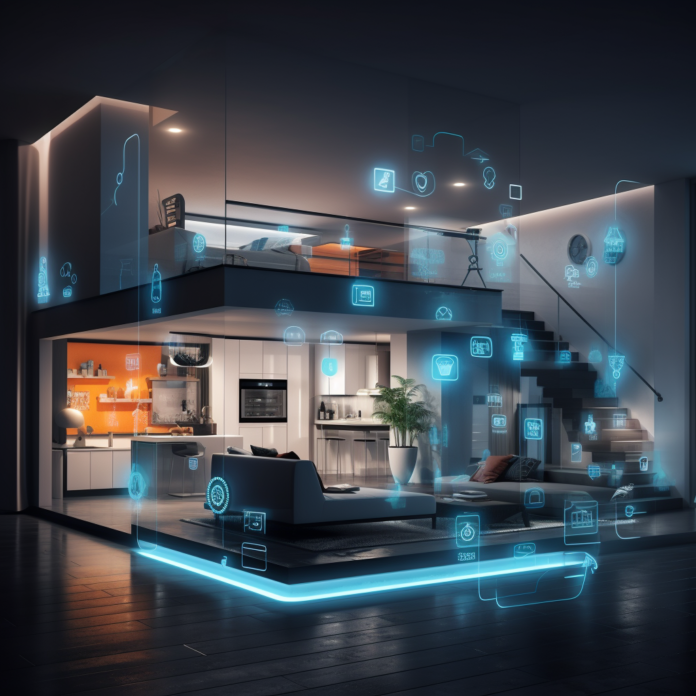
In the dynamic world of Smart Home Technology, the integration of smartphones with smart home devices is revolutionizing our daily lives. This integration, a key aspect of Home Automation, not only enhances convenience and efficiency but also paves the way for innovative interactions within our home environments. This article delves into how Smartphone Integration with smart home devices is becoming essential in the Smart Home Ecosystems of today, highlighting the latest advancements and their significance for both tech enthusiasts and everyday users.
The Heart of Smart Home: Smartphones as Central Hubs
In the realm of Smart Home Devices, smartphones have transcended their traditional roles, emerging as central hubs. With increasing compatibility and intuitive interfaces, smartphones enable users to control, monitor, and automate various aspects of their homes, from Smart Lighting Systems to security setups, epitomizing modern Home Automation Apps.
Emerging Smart Home Devices: A Glimpse into the Future
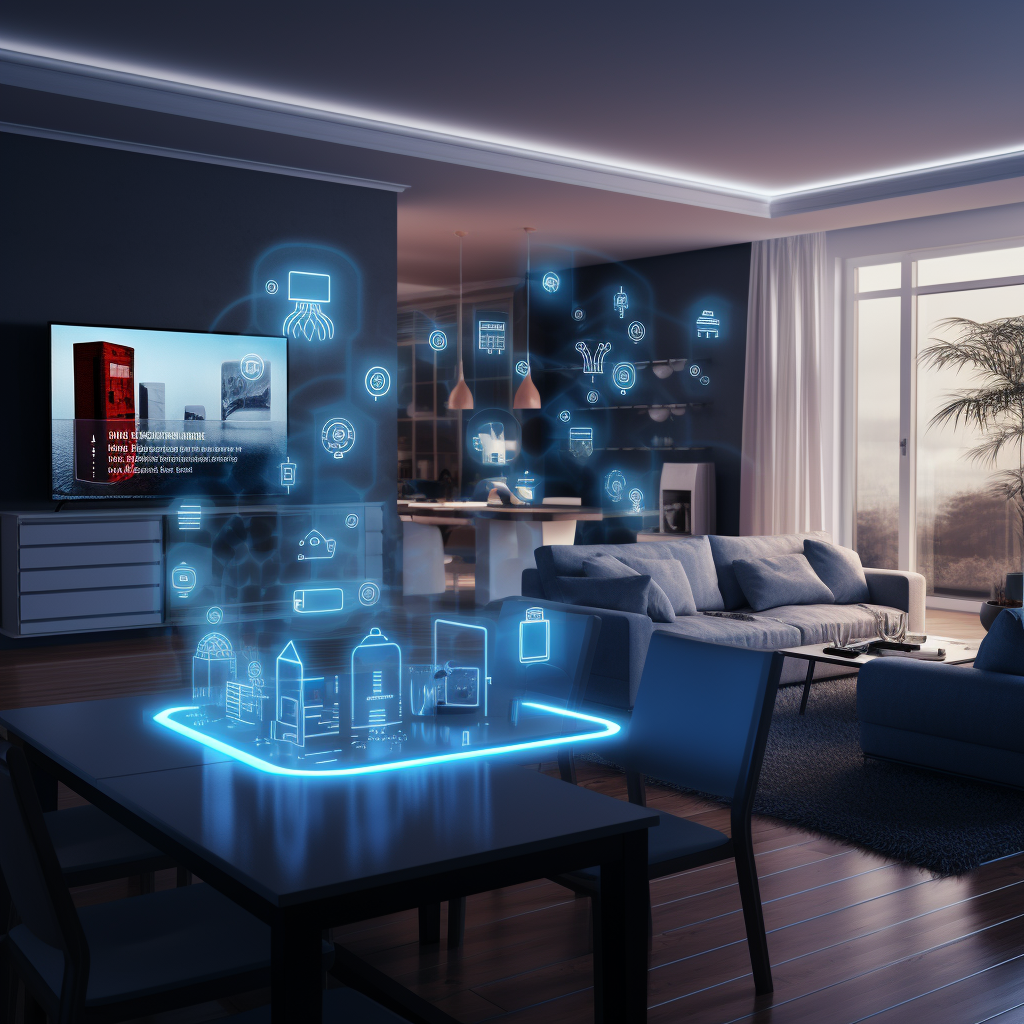
The range of smart home devices has seen significant expansion, featuring:
Smart Lighting Systems
These systems go beyond basic functionality, offering features like adjustable brightness, color temperature control, and synchronization with entertainment systems, enhancing the Smart Home Trends 2023.
Home Security Solutions
Smart Home Security Solutions have evolved, allowing real-time monitoring through smartphones. This includes alerts from security cameras and Smart Locks, providing unparalleled home security management.
Intelligent Home Assistants
Devices like Amazon Echo and Google Nest Hub, representing Intelligent Home Assistants, have become increasingly sophisticated, facilitating seamless interaction through natural language understanding.
Energy Management Tools
Energy Management Tools like smart thermostats have become integral in smart homes, offering smartphone control to promote energy efficiency, a key aspect of IoT (Internet of Things).
Integration and Interoperability: The Key Challenges
While advancements in Smart Home Interoperability are notable, challenges remain, especially in ensuring that various devices from different manufacturers communicate effectively. The rise of standard protocols and platforms is addressing these challenges, signifying a major stride in Smart Home Technology.
User Experience: Simplicity and Personalization
The success of smart home integration heavily relies on the user experience. The focus on intuitive interfaces in Home Automation Apps requires minimal technical knowledge, while personalization allows systems to adapt to user preferences, enhancing both convenience and efficiency.
Security and Privacy: Paramount Concerns
With the advancement of Smart Home Devices, security and privacy concerns have escalated. Ensuring the protection of user data and secure communication between devices is paramount in Smart Home Security Solutions.
Conclusion
The integration of smartphones with smart home devices represents a pivotal development in Smart Home Ecosystems. As this technology continues to evolve, it promises more comfortable, secure, and efficient homes. For tech enthusiasts and everyday users alike, the journey into the future of Smart Home Technology is just beginning, with smartphones playing a central role.