
The Evolution of Mobile Phones: From Brick to Pocket-Sized Powerhouses
The Early Days: From Brick to Portable Communication Devices
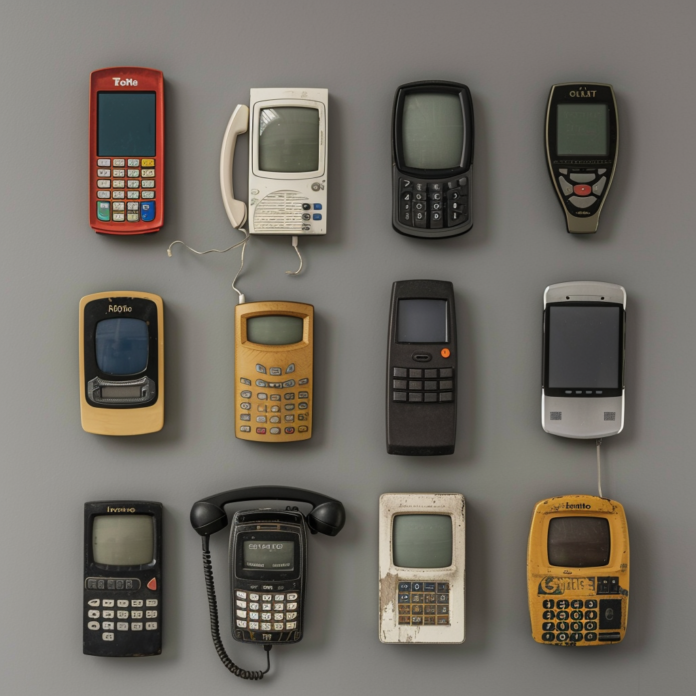
In the early days of mobile phones, they were far from the sleek and compact devices we know today. The first mobile phones were large and bulky, earning them the nickname “bricks.” These early devices were primarily used for voice calls and had limited functionality. They were expensive and only accessible to a select few.
One of the earliest mobile phones was the Motorola DynaTAC 8000X, which was released in 1983. It weighed a whopping 2.2 pounds and had a price tag of $3,995. Despite its size and cost, it was a significant step forward in mobile communication technology.
As technology advanced, mobile phones became smaller and more portable. The introduction of the Nokia 1011 in 1992 marked a turning point in the industry. It was the first mass-produced GSM phone and weighed just 475 grams. This marked the beginning of the miniaturization trend that would continue to shape the evolution of mobile phones.
Miniaturization and Advancements: Shrinking the Mobile Phone
The miniaturization of mobile phones was driven by advancements in technology and the demand for more portable devices. Manufacturers started to focus on reducing the size and weight of mobile phones while improving their functionality.
In 1996, Motorola released the StarTAC, which was the first clamshell-style mobile phone. It was significantly smaller and lighter than its predecessors, weighing just 88 grams. The StarTAC set the standard for future flip phones and demonstrated the potential for further miniaturization.
The Rise of Smartphones: From Basic Functions to Pocket-Sized Powerhouses
The introduction of smartphones revolutionized the mobile phone industry. Smartphones combined the functionality of a traditional mobile phone with advanced computing capabilities. They offered features such as email, internet browsing, and multimedia playback.
In 2007, Apple released the first iPhone, which marked a turning point in the evolution of mobile phones. The iPhone introduced a user-friendly touchscreen interface and a wide range of applications. It quickly became a game-changer in the industry and set the stage for the rise of smartphones as pocket-sized powerhouses.
Touchscreens and User-Friendly Interfaces: Revolutionizing Mobile Phone Technology
The introduction of touchscreens revolutionized the way we interact with mobile phones. Touchscreens provided a more intuitive and user-friendly interface, allowing users to navigate through menus and applications with ease.
The popularity of touchscreens can be attributed to their versatility and convenience. They allow for more interactive and immersive experiences, whether it’s playing games, browsing the internet, or using social media. Touchscreens have become a standard feature in modern smartphones, and their evolution continues to enhance the user experience.
The Era of Connectivity: Mobile Phones and the Internet Revolution
The integration of mobile phones with the internet has transformed the way we communicate and access information. With the advent of 3G and 4G networks, mobile phones became powerful tools for staying connected on the go.
According to Statista, the number of smartphone users worldwide is projected to reach 3.8 billion in 2021. This widespread adoption of smartphones has led to increased internet usage and a shift towards mobile-first experiences. Mobile phones have become essential for tasks such as online shopping, banking, and social networking.
Mobile Apps and the App Store Phenomenon: Transforming the Way We Use Phones
The introduction of mobile apps and app stores has transformed the way we use mobile phones. App stores, such as Apple’s App Store and Google Play, provide a platform for developers to distribute their applications to a wide audience.
Mobile apps have become an integral part of our daily lives, offering a wide range of functionalities. From productivity tools to entertainment apps, there is an app for almost everything. According to Statista, there were 2.56 million apps available on the Google Play Store in the third quarter of 2020.
The Power of Multitasking: How Mobile Phones Became Essential Tools
Mobile phones have evolved into essential tools that allow us to multitask and stay productive on the go. With the ability to run multiple applications simultaneously, smartphones have become powerful devices for work and entertainment.
For example, smartphones now offer features such as split-screen multitasking, allowing users to view and interact with multiple apps at the same time. This capability has transformed mobile phones into productivity powerhouses, enabling users to work on documents, browse the internet, and communicate with others simultaneously.
The Future of Mobile Phones: What Can We Expect Next?
The future of mobile phones holds exciting possibilities. One of the most anticipated advancements is the widespread adoption of 5G technology. 5G networks promise faster speeds, lower latency, and increased capacity, opening up new opportunities for mobile phone users.
Additionally, advancements in artificial intelligence (AI) and machine learning are expected to enhance the capabilities of mobile phones. AI-powered virtual assistants, such as Siri and Google Assistant, have already become commonplace, but their capabilities are expected to expand further in the future.
Furthermore, foldable smartphones are gaining traction in the market, offering users the flexibility of a larger screen when needed. As technology continues to advance, we can expect mobile phones to become even more powerful, versatile, and integrated into our daily lives.
In conclusion, the evolution of mobile phones from bricks to pocket-sized powerhouses has been a remarkable journey. From the early days of large and expensive devices to the rise of smartphones with advanced computing capabilities, mobile phones have become an essential part of our lives. Touchscreens, internet connectivity, mobile apps, and multitasking capabilities have transformed mobile phones into versatile tools that enhance productivity and entertainment. As we look to the future, the possibilities for mobile phone technology are endless, promising even more exciting advancements and innovations.